South Australian speed limits are not determined by one rule alone. A driver must first identify whether a posted speed-limit sign, an area speed limit, a school zone or another special limit applies. Only when none of those applies do the default limits become relevant.
Important correction: the 50 km/h built-up-area limit and the 100 km/h limit outside a built-up area are default limits under Australian Road Rule 25. Rule 21 deals with posted speed-limit signs.
Four speed-limit rules to remember
- Rule 21: a posted speed-limit sign applies to a length of road.
- Rule 22: an area speed-limit sign applies throughout a signed network of roads, unless another limit applies to a particular section.
- Rule 23: a school-zone sign sets the limit for the signed school zone and may operate only at stated times, on stated days or in stated circumstances.
- Rule 25: where no other speed limit applies, the default is generally 50 km/h in a built-up area and 100 km/h elsewhere.
1. Rule 21: posted speed-limit signs
What it controls: the maximum speed for a signed length of road.
When a speed-limit sign applies to a length of road, the number shown on the sign is the maximum legal speed for that section. The limit begins at the sign, so the vehicle should already be at or below the new limit when it reaches the sign.
When does the signed limit end?
Under Rule 21, the signed limit normally continues until the nearest of:
- a speed-limit sign showing a different number;
- an End Speed Limit or speed-derestriction sign; or
- the end of the road at a T-intersection or dead end.
Do not assume that a lower limit has ended simply because you have passed roadworks, a school gate or another visible feature. Look for the sign or road condition that legally ends or replaces the limit.
2. Rule 22: area speed limits
What it controls: the maximum speed throughout a signed network of roads.
An area speed limit is identified by matching area speed-limit signs on roads entering the area and end-area signs on roads leaving it. The number displayed normally applies throughout the signed area.
A particular road section inside the area may have another limit. For example, a street inside a 40 km/h area may contain a lower active school-zone limit.
A common learner mistake is to expect a repeat sign on every street. After turning within a properly signed area, the area limit normally continues until an end-area sign is passed or another limit applies.
3. Rule 23: school zones
What it controls: the speed shown on the school-zone sign when the stated condition is active.
Rule 23 provides that the number displayed on a school-zone sign is the speed limit for the signed school zone. The sign may state that the limit applies only at certain times, on certain days or in particular circumstances.
In South Australia, a 25 km/h school-zone sign marked WHEN CHILDREN PRESENT applies when a child is present in the zone. For this purpose, a child includes a person under 18 and a student of any age wearing school uniform.
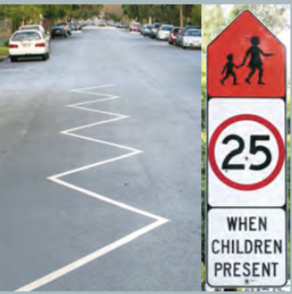
South Australia also has time-based 40 km/h limits near selected schools. These are posted linear speed limits operating during the times shown on the signs, generally 8:00–9:30 am and 2:00–4:00 pm on school days. They do not replace the existing 25 km/h school zones.
For the detailed differences between children-present zones, flashing-light crossings, time-based 40 km/h limits and school-bus rules, read School Zones in South Australia: 25 km/h, 40 km/h, Flashing Lights and School Buses.
4. Rule 25: the 50 km/h and 100 km/h defaults
What it controls: the default maximum speed only when no other limit applies.
The default limit applies only when no posted speed-limit sign, area speed limit, school zone, shared zone or other special limit applies.
- Built-up area: 50 km/h.
- Outside a built-up area: generally 100 km/h.
These are maximum default limits, not target speeds. A licence condition, vehicle restriction or another law may impose a lower maximum. Drivers must also reduce speed when weather, visibility, traffic, pedestrians or road conditions make the legal maximum unsafe.
Which speed limit applies first?
- Check for an active posted or special speed limit.
- Check whether you are inside a signed speed-limited area or school zone.
- Apply any lower licence or vehicle restriction.
- Use the Rule 25 default only when no other limit applies.
- Drive below the legal maximum whenever conditions require a safer speed.
Entering, driving through and leaving a lower-speed section
Before the sign
- Identify the new limit early.
- Check mirrors and reduce speed smoothly.
- Be at or below the new limit when the vehicle reaches the sign.
While driving through
- Maintain the applicable speed rather than allowing the vehicle to creep faster.
- Continue scanning for pedestrians, intersections, side roads and changing conditions.
- Remember an area limit after turning into another street.
At the end
Do not accelerate until you pass the sign or road condition that legally ends or replaces the lower limit. Passing a school gate, roadworks or another landmark does not necessarily end the restriction.
Common learner and VORT mistakes
- Braking after the sign: the new speed should already have been reached before entering the lower-speed section.
- Accelerating too early: wait until the lower limit has legally ended.
- Forgetting an area limit after turning: the area limit continues across the signed network.
- Using 50 km/h automatically on every suburban street: another posted, area or school-zone limit may apply.
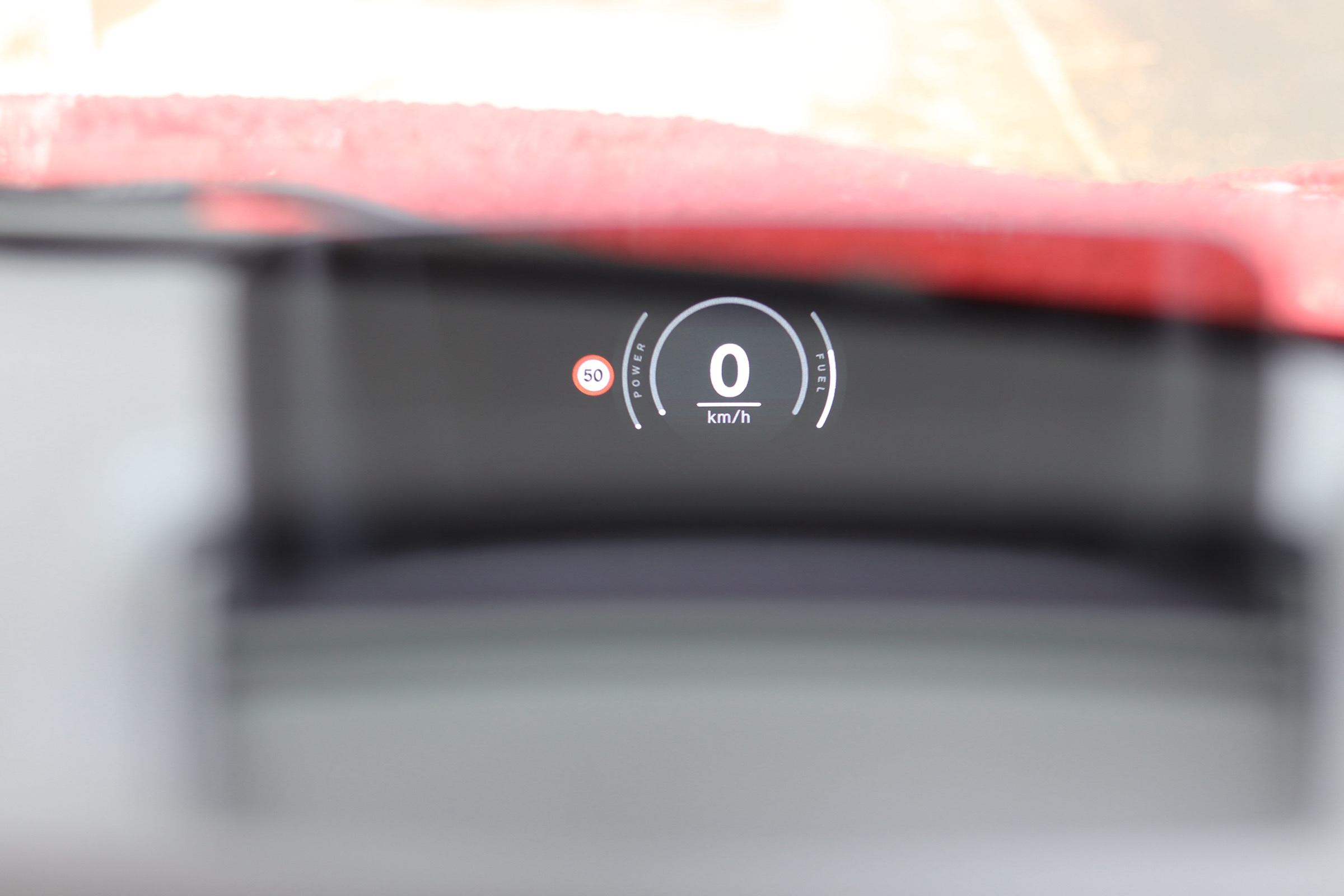
- Relying only on navigation: GPS and dashboard displays may show an old or incorrect speed limit.
- Treating the limit as a target: conditions may require a lower speed.
Speed-limit decisions test more than speed control. They show whether a driver can identify the controlling sign, understand where a restriction starts and ends, remember an area limit after turning and adjust before entering a higher-risk section.
Official information
- South Australian Legislation: Australian Road Rules
- The Driver’s Handbook: Speed limits
- MyLicence: School safety
- Department for Infrastructure and Transport: 40 km/h school speed limits
This article is for general road-safety education. It does not replace current South Australian legislation, road signs or licence conditions.
Preparing for a South Australian driving test? Read the VORT test preparation guide or contact your driving instructor.