Understanding the VORT Driving Test in South Australia
The South Australian VORT driving test is not just a test of whether you can “drive around the block”. It checks whether you can apply road rules, observation, signalling, speed control, lane choice and safe decision-making in real traffic.
Happy Driving School provides structured driving lessons in Adelaide for learner drivers, overseas licence holders and students preparing for the VORT driving test around the Firle area.
Quick Summary
VORT is one practical test
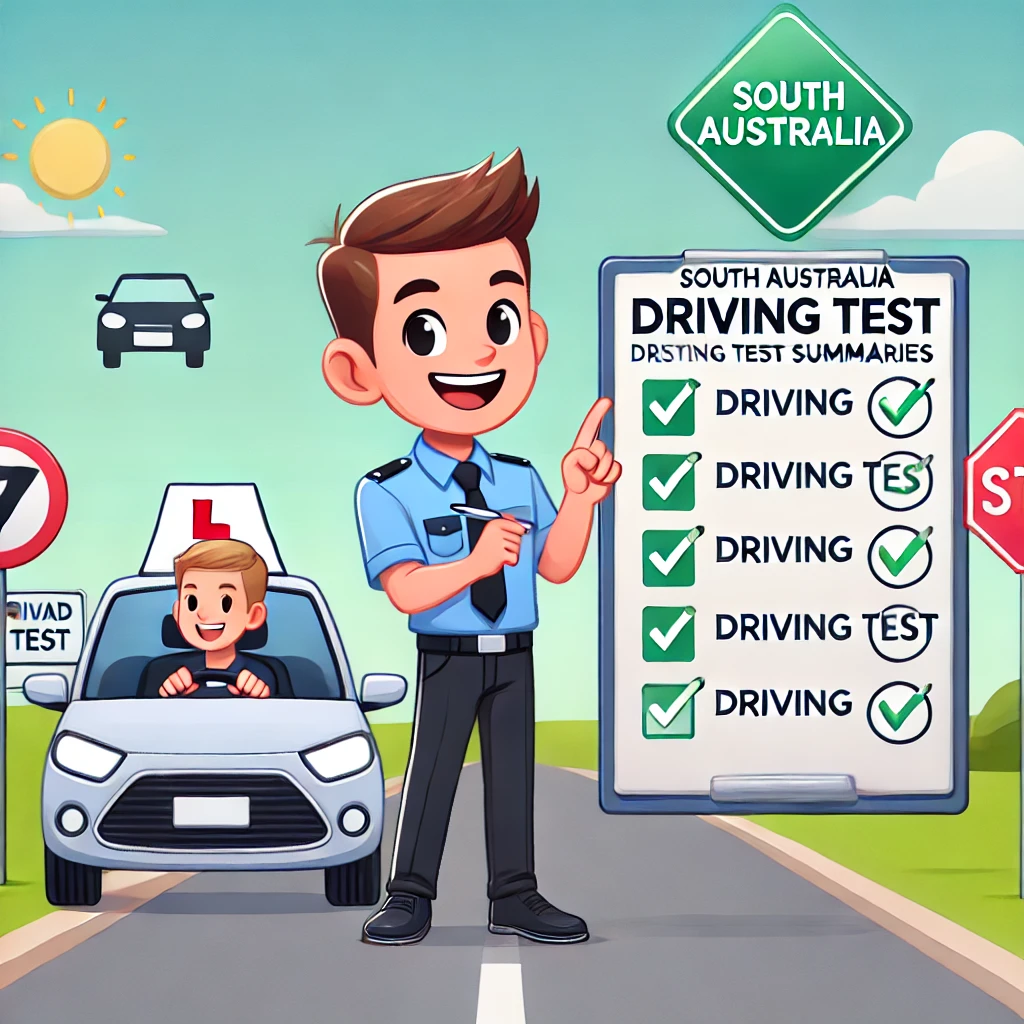
A VORT is a practical driving test conducted by an authorised examiner. It includes a general drive and 5 slow speed manoeuvres.
You need 90% or more
To pass, you must achieve the required pass mark and avoid breaching road law during the drive.
It is not route memorisation
Good test preparation is about building a repeatable driving system, not only remembering a few streets near the test area.
What Does the VORT Test Assess?
The VORT assesses whether you can drive safely and legally without help. You are expected to apply road rules, observe properly, choose safe gaps, position the vehicle correctly and control the car smoothly.
Car control
Steering, braking, acceleration, speed adjustment, parking control and smooth use of the vehicle.
Observation
Using mirrors, head checks, blind spot checks and scanning early enough to identify risks.
Road rules
Applying give way rules, stop signs, speed limits, traffic lights, lane rules and road markings correctly.
Decision-making
Choosing safe gaps, selecting the correct lane, planning ahead and avoiding rushed last-second actions.
The 5 Slow Speed Manoeuvres
The VORT includes 5 slow speed manoeuvres. These are important because they test vehicle control, observation, signalling, judgement and your ability to complete a task safely under pressure.
Moving off from kerb
Observation, signal timing, blind spot check, safe gap selection and smooth movement from the kerb.
Angle park
Parking position, observation before and during movement, control and safe exit from the parking bay.
Reverse parallel park
Low speed control, reversing observation, distance judgement and final position near the kerb.
3-point turn
Planning, road user observation, safe vehicle movement and avoiding unnecessary obstruction.
U-turn
Legal location, give way judgement, observation and safe completion without affecting other road users.
All manoeuvre guides
Read all current English manoeuvre guides in the Insights section.
Immediate Fail Risk: Breaching Road Law
Important
In South Australia, a breach of road law during the VORT can result in an immediate fail and the test being terminated. This is why test preparation must include real road-rule application, not only “how to pass the route”.
The following are common high-risk areas that students should treat seriously during preparation. This list is not a replacement for official road rules, but it is useful for training.
| High-risk area | Common problem | Training focus |
|---|---|---|
| Stop signs and red lights | Rolling through a stop sign, stopping too late, or reacting late to lights. | Stop completely, check carefully, and move only when safe and legal. |
| Speed control | Driving over the limit, especially in school zones, roadwork areas or changing speed zones. | Scan speed signs early and adjust speed before entering the zone. |
| Give way decisions | Taking a gap that is too small or misunderstanding who has priority. | Slow down early, identify all road users, and choose a safe gap. |
| Lane change and merging | Changing lanes without enough observation, signalling or space. | Mirror, signal, blind spot, safe gap, then move smoothly. |
| Roundabouts and intersections | Wrong lane choice, unclear signalling, late judgement or poor positioning. | Plan lane choice early and apply the give way rule correctly. |
| Road signs and markings | Missing a no-entry, turn restriction, lane arrow, painted island or solid line. | Look further ahead and connect signs, line markings and traffic flow. |
The System of Car Control
Many students lose marks because their actions are correct in isolation, but not organised. A driving system helps you repeat safe habits under pressure.
Look early
Scan ahead, check mirrors and identify traffic, signs, lanes and hazards before you arrive at the problem.
Plan position
Choose the correct lane and road position early, especially before intersections, roundabouts and parked vehicles.
Signal clearly
Use signals early enough to communicate your intention, but not so early that it becomes confusing.
Control speed
Adjust speed before the turn, hazard or intersection instead of braking late and rushing the steering.
Observe before moving
Before changing direction or position, confirm mirrors, blind spots and the road around the car.
Move smoothly
Complete the movement in control, then cancel the signal and return to normal driving.
Overseas Licence Holders
If you hold an overseas licence, your pathway may depend on your visa status, licence country, age, driving history and whether you need to complete myLS, HPT or a practical driving test.
Happy Driving School can help overseas licence holders understand the South Australian licence conversion process and prepare for driving in Adelaide.
Before You Book a Lesson
Please prepare the following information before sending an enquiry:
- Your current licence or permit status
- Whether you have passed myLS, the theory test or HPT
- Your driving experience in Australia or overseas
- Whether you are preparing for VORT, overseas licence conversion or beginner lessons
- Your preferred lesson area and availability
You can also check the current lesson fee information here: Driving Lesson Prices Adelaide.
Useful official links: Hazard Perception Test, 75 hours supervised driving declaration, The Driver’s Handbook.
Driving Lessons Around Firle and Adelaide
Lessons are mainly provided around the Firle area, which is useful for students preparing for VORT test practice and local driving conditions.
Training can include road-rule application, lane choice, observation, speed control, slow speed manoeuvres, school zones, roundabouts, give way decisions and test preparation.
Lessons may be suitable for learner drivers, overseas licence holders and test-ready students who want clear, structured preparation.